
Restore Antique and Heirloom Furniture with a Professional Upholstery Company
Restoring antique and heirloom furniture holds immense significance, not only in preserving cultural and familial history but also in offering a sustainable and personalized approach to home decor. While the market is flooded with contemporary options, antiques offer unique aesthetic and emotional value that is unmatched. Hiring a professional upholstery company plays a crucial role in rejuvenating these precious pieces, ensuring their longevity and allowing future generations to cherish them.
The process of bringing older furniture back to life requires a deep respect for historical craftsmanship alongside an understanding of structural integrity. By choosing to restore existing frames instead of buying mass-produced alternatives, homeowners preserve the unique narrative woven into every wooden joint and fabric layer. This practice honors tradition while simultaneously transforming living spaces into curated environments rich with character, depth, and personal story.
Examining Historical Significance and Material Worth
The cultural and historical value inherent in antique furniture contributes to a deeper appreciation of our past. Each piece often comes with a story, a slice of history that reflects the artistry and lifestyle of its era. Restoring antique furniture helps in maintaining these narratives, preserving more than just wood and fabric, as it guards a physical artifact from a bygone era. Furniture such as a Victorian-era chair or a Georgian sideboard can invoke vivid images of historical settings and societal events. These items act as tangible time capsules, offering deep insights into the aesthetics, raw materials, and construction techniques favored during different artistic periods. For many individuals, owning and preserving such pieces means maintaining a direct link to personal heritage and historical identity.
Alongside cultural value, there is an undeniable sentimental and monetary value associated with heirloom pieces. Families pass down furniture across generations, embedding cherished memories within each grain of wood and stitch of fabric. Additionally, well-preserved antiques often appreciate over time, making carefully executed restoration a wise financial decision alongside its obvious emotional and decorative benefits. The process is far more than merely cosmetic; it represents a direct investment in long-term functionality and structural permanence. An expertly restored item is frequently more durable than new alternatives, continuing to enhance the living space it occupies for decades.
Evaluating Environmental Benefits and Structural Comfort
Furniture restoration substantially reduces environmental waste, contributing positively to ecological sustainability. By choosing to restore, there is a marked reduction in the need for raw materials and energy consumption linked to new manufacturing. This alleviates pressure on forests, metal ores, and fossil fuels while keeping sturdy, reusable items out of overflowing local landfills. The physical restoration process aligns perfectly with the foundational principles of reducing, reusing, and recycling. Restorers regularly salvage, repair, and repurpose structural elements, minimizing overall material consumption. By keeping valuable, seasoned timber and durable metal components in active use, restoration supports a functional circular economy while mitigating the global environmental costs of manufacturing and long-distance shipping.
Beyond ecological gains, restoration allows for the improvement and personalization of antique items, enhancing everyday functionality while preserving innate charm. Over time, traditional seating might have suffered structural wear or become outdated in terms of cushioning. Expert intervention addresses these mechanical issues directly, making classic pieces completely suitable and comfortable for modern daily use. Meticulous techniques reinforce structural integrity without sacrificing the authenticity that makes historical items desirable. Padding can be entirely refreshed using modern hypoallergenic materials, while internal springs are re-tensioned or re-tied for maximum support.
Choosing a Specialized Upholstery Company
Selecting a professional upholstery company for restoration guarantees expertise, quality, and reliability throughout the entire process. These specialized businesses employ artisans skilled in handling and renewing furniture with exceptional historical and aesthetic value. The decision to entrust professionals with complete restoration is driven by the need for intricate work that demands years of experience and specialized precision. Master restorers possess a deep understanding of period-specific construction methods, allowing them to treat fragile antiques with appropriate care. This specialized knowledge prevents accidental damage during stripping, reshaping, or re-covering, ensuring the structural frame remains sound throughout the transformative process.
Professional upholsterers have direct access to a wider array of premium materials, specialized tools, and authentic textiles than are available to the general public. Using industry-grade resources, they achieve a level of structural refinement that enhances both the overall quality and historical accuracy of an item. Specialized hand tools, precise tensioning equipment, and tailored adhesives allow craftsmen to execute complex fabric fitting without distressing aging wood. Furthermore, working with an established upholstery company provides lasting peace of mind.
Analyzing Authentic Techniques and Service Offerings
Authenticity in restoration requires absolute precision and strict adherence to traditional methods, which experienced craftsmen are uniquely adept at achieving. They employ specialized techniques that are true to historical practices, ensuring the piece accurately reflects the specific period craftsmanship. Restorers utilize traditional joinery, hand-stitched horsehair or burlap padding, and classic spring tying to replicate original internal builds. This dedication to authentic methods preserves both the historical accuracy and visual elegance of precious heirlooms. By respecting the original design intent, professionals successfully preserve the subtle contours and historical integrity that give antique furniture its distinctive charm and character.
Furthermore, a full-service upholstery company often provides comprehensive solutions that extend far beyond simple fabric replacement. From wooden frame repairs and joint re-gluing to wood refinishing and missing veneer replacement, these businesses offer complete care under one roof. According to Mordor Intelligence, while sofas are predicted to lead with a 34.70% revenue share in upholstered furniture in 2025, chairs are poised to grow fastest at 6.23%, highlighting a gradual shift in furniture market dynamics towards durable and adaptable designs. Making an investment in quality, restored pieces turn out to be strategic over more frequent replacement of less sturdy, new furniture.
Executing Step-by-Step Restoration Processes
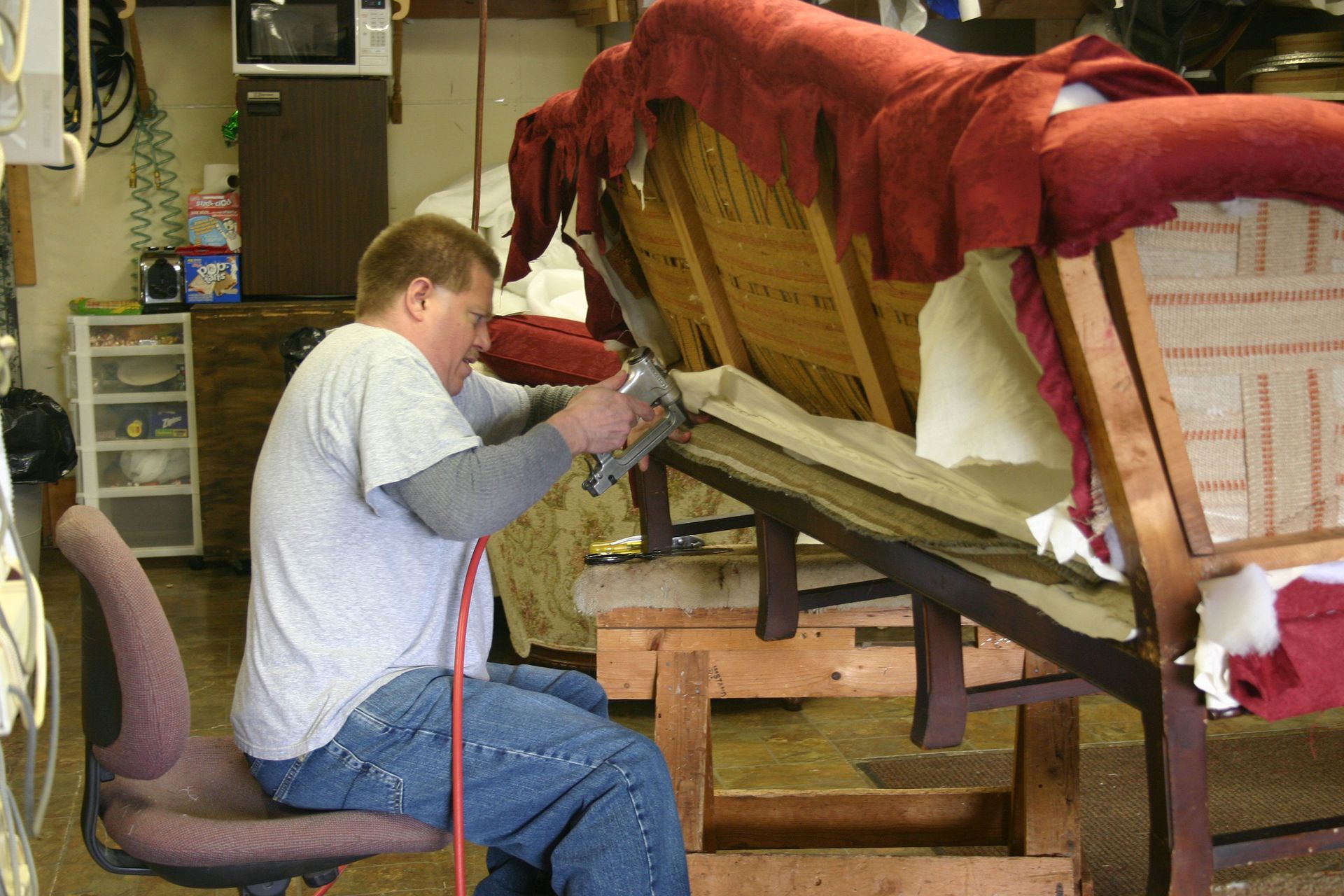
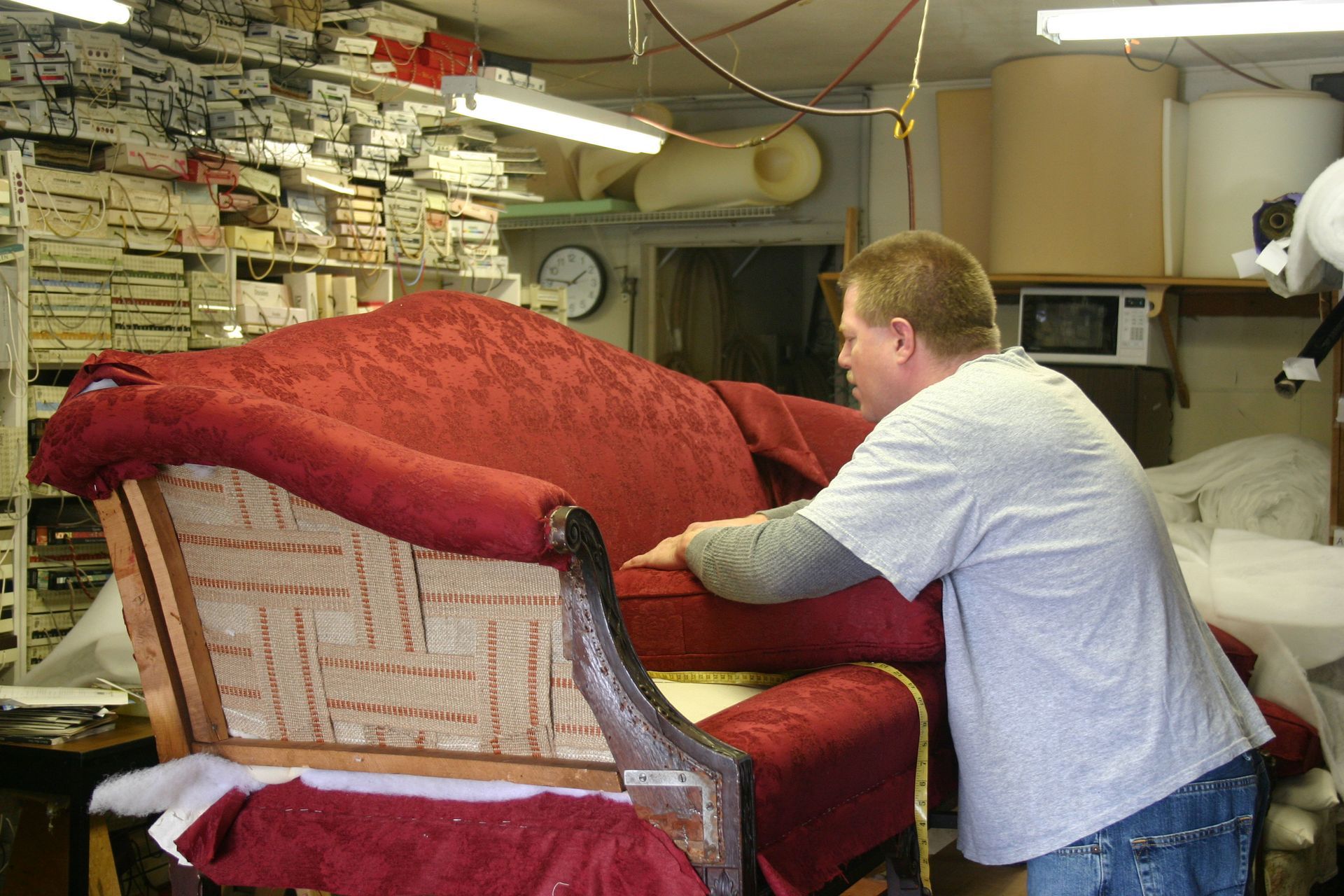
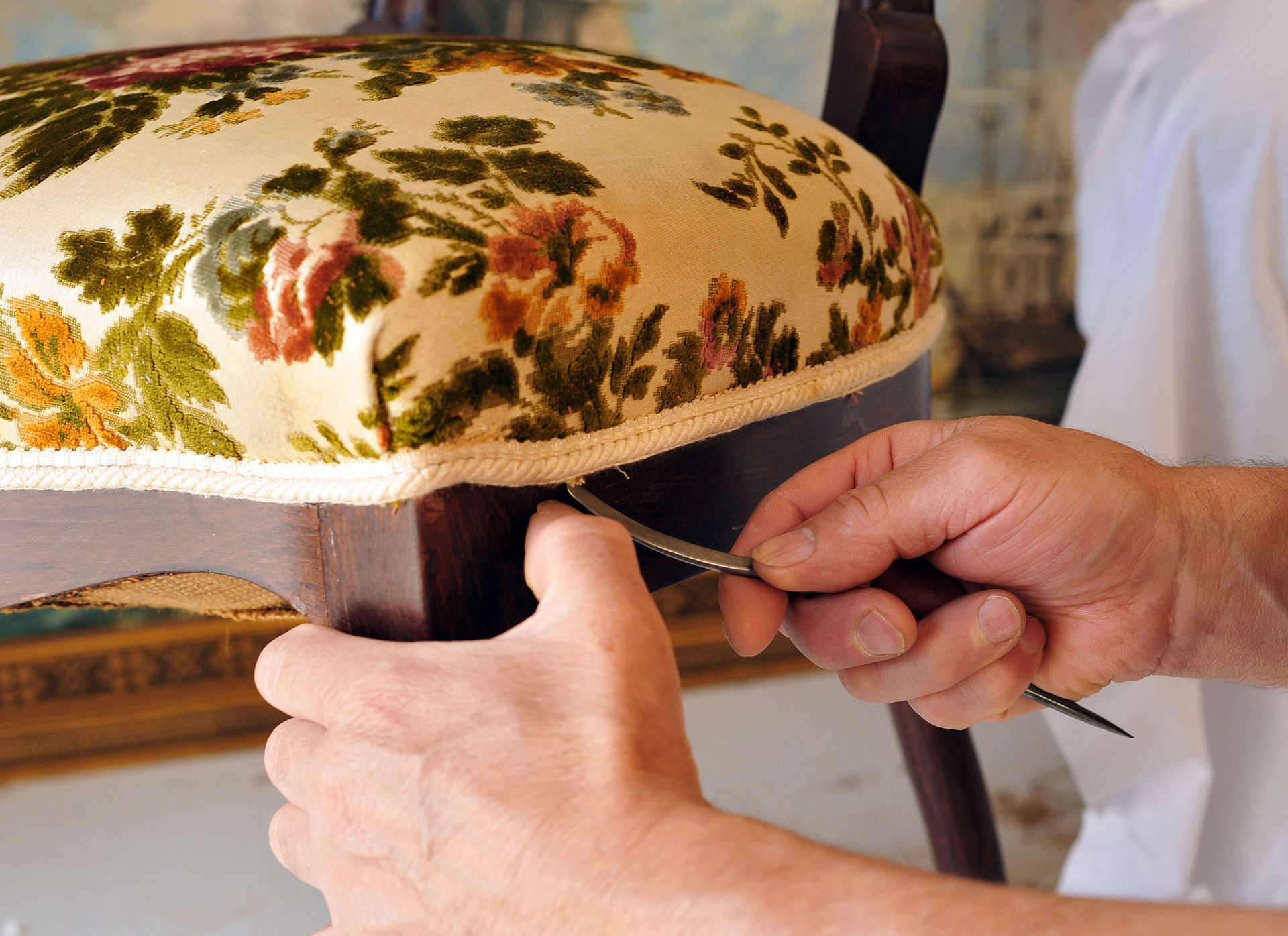
The restoration process of antique and heirloom furniture requires a sequence of careful steps demanding immense patience and skill. The method typically begins with an initial assessment, where the exact structural condition of the piece is thoroughly examined. Artisans inspect the frame for looseness, wood rot, or insect damage, while assessing fabric degradation and spring tension. A comprehensive plan is then formulated to systematically address every area in need of structural repair or visual enhancement. Clients collaborate closely during this diagnostic phase, discussing aesthetic preferences, structural options, and practical usage requirements to ensure the final vision aligns with their expectations.
Following consultation, a collaborative selection of appropriate fabrics and materials takes place, tailoring choices to complement the original character of the furniture. Swatches are carefully evaluated for color, pattern scale, weave density, and historical accuracy. After establishing a clear pathway, the actual physical work begins, encapsulating complete stripping down, frame stabilization, spring re-tensioning, padding application, and fabric fitting. Old, degraded padding and worn textiles are systematically removed to expose the bare frame. Structural joints are reinforced, wood finishes are carefully restored, and new internal padding is built up layer by layer.
Adapting Classic Furniture for Modern Living
While historic preservation remains pivotal in furniture restoration, strategic customization tailors classic items to meet modern lifestyle needs and contemporary tastes. Incorporating updated elements without compromising historical accuracy strikes an ideal balance between daily utility and historical preservation. Restoration experts guide homeowners through personalizing heirlooms for a timeless yet fresh aesthetic. Customization might involve selecting a bold contemporary pattern for a classic wingback chair or adjusting seat height and firmness for improved ergonomic comfort. These subtle modifications allow historical furniture to bridge the gap between antique charm and modern interior design preferences.
Investing in professional furniture restoration is the ultimate way to honor family history, reduce environmental impact, and introduce timeless elegance into your home decor. By working with an established
upholstery company, you ensure that every delicate detail, structural joint, and fabric layer is treated with expert care. Partnering with Cool Springs Upholstery guarantees your cherished heirlooms will receive the highest level of craftsmanship, transforming aging treasures into durable, beautiful centerpieces for generations to come. Reach out to us today to begin your custom restoration project.
Share On: